Before you jump to a new app, use these filters. They make the comparison clear.
1) Demand in your city
An app can be amazing in one city and average in another. Some markets have strong grocery demand. Others are better for restaurant delivery. Your best app depends on local habits.
2) Time per job
A job that pays more but takes too long is not always better. The best apps are the ones where you can complete work quickly and repeat it.
3) Tips and bonus patterns
Some apps rely heavily on tips. Others rely on base pay and incentives. If tips are strong in your area, delivery and shopping can beat rideshare.
4) Predictability
Some people want steady blocks. Others want flexible on demand requests. Choose what fits your schedule.
5) Expenses
Miles matter. Heavy mileage reduces profit fast. If one app keeps you in a tight zone with shorter trips, it can beat Uber even if the payout looks similar.
Top 5 gig apps that pay more than Uber in 2026
These five are popular alternatives that can outperform Uber for many workers, especially when used with the right strategy.
1) Amazon Flex
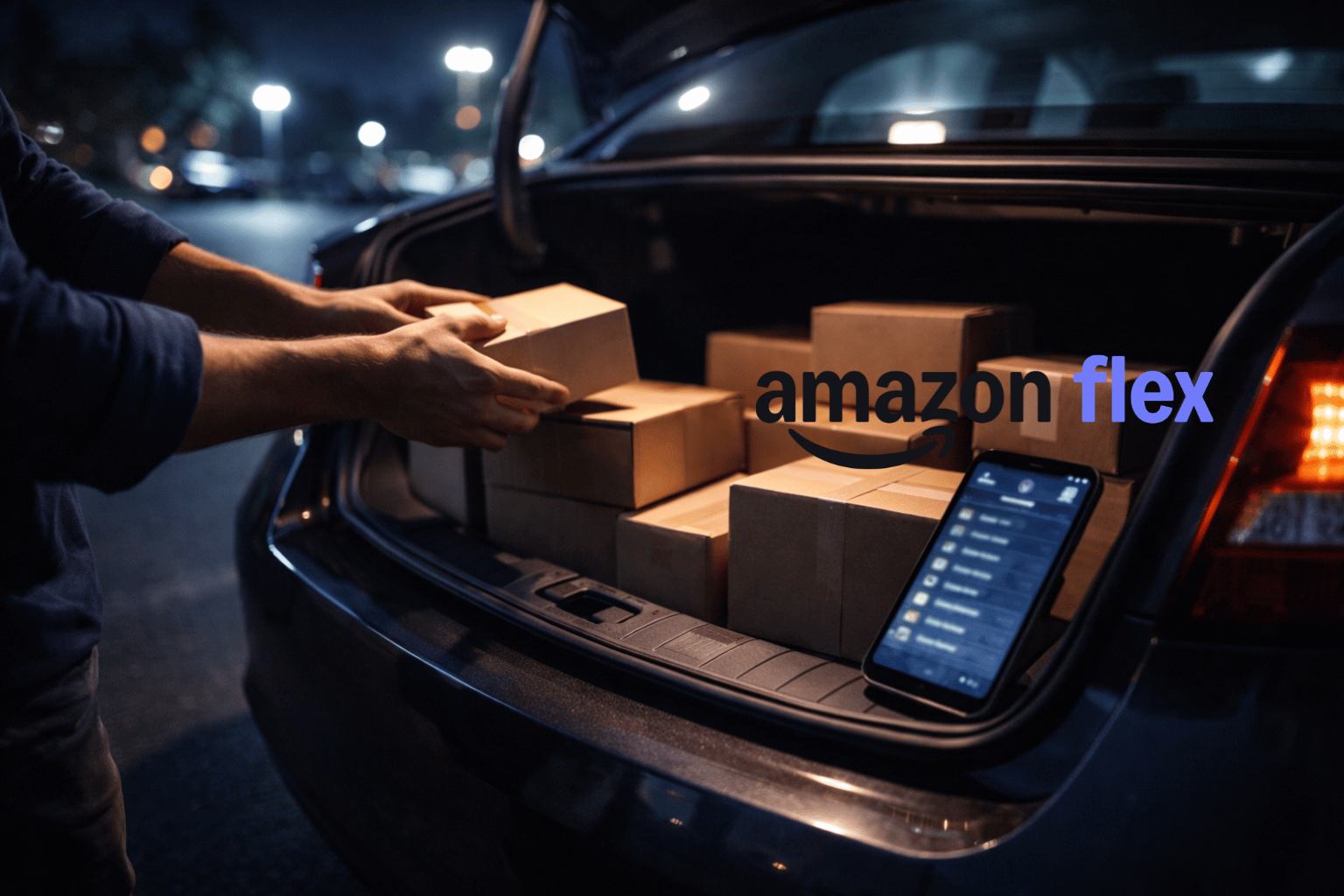
Amazon Flex is one of the strongest options for people who want planned work. Instead of waiting for ride requests, you accept a delivery block and complete it. This structure can feel more predictable than rideshare. Many drivers like it because the shift has a clear start and end. You can plan your week around blocks and avoid random slow hours.
Why Amazon Flex can pay more than Uber in 2026
Amazon Flex is block based. You pick a delivery block with a clear start and end time, then finish the route. In many markets, this structure can beat Uber because you are not waiting for riders or relying on surge. Your best hours are the ones with steady package volume, and you can plan your week around blocks instead of guessing.
Best use cases for higher pay
Flex is strongest for drivers who want predictable work windows and do not want passenger trips. It can perform well in peak seasons and high volume cities. It also fits people who like a clean routine, because you follow the route and complete deliveries with fewer surprises.
Tips to earn more on Amazon Flex
Arrive early so you can sort packages fast. Keep your car organized so your stops stay quick. Choose blocks that match lower traffic windows when possible. Shorter traffic delays often mean better profit per hour.
Watch outs
Some routes can be far, and miles can add up. Track your total miles so you know real profit. If blocks are scarce in your area, you may need a second app for gaps.
2) Instacart
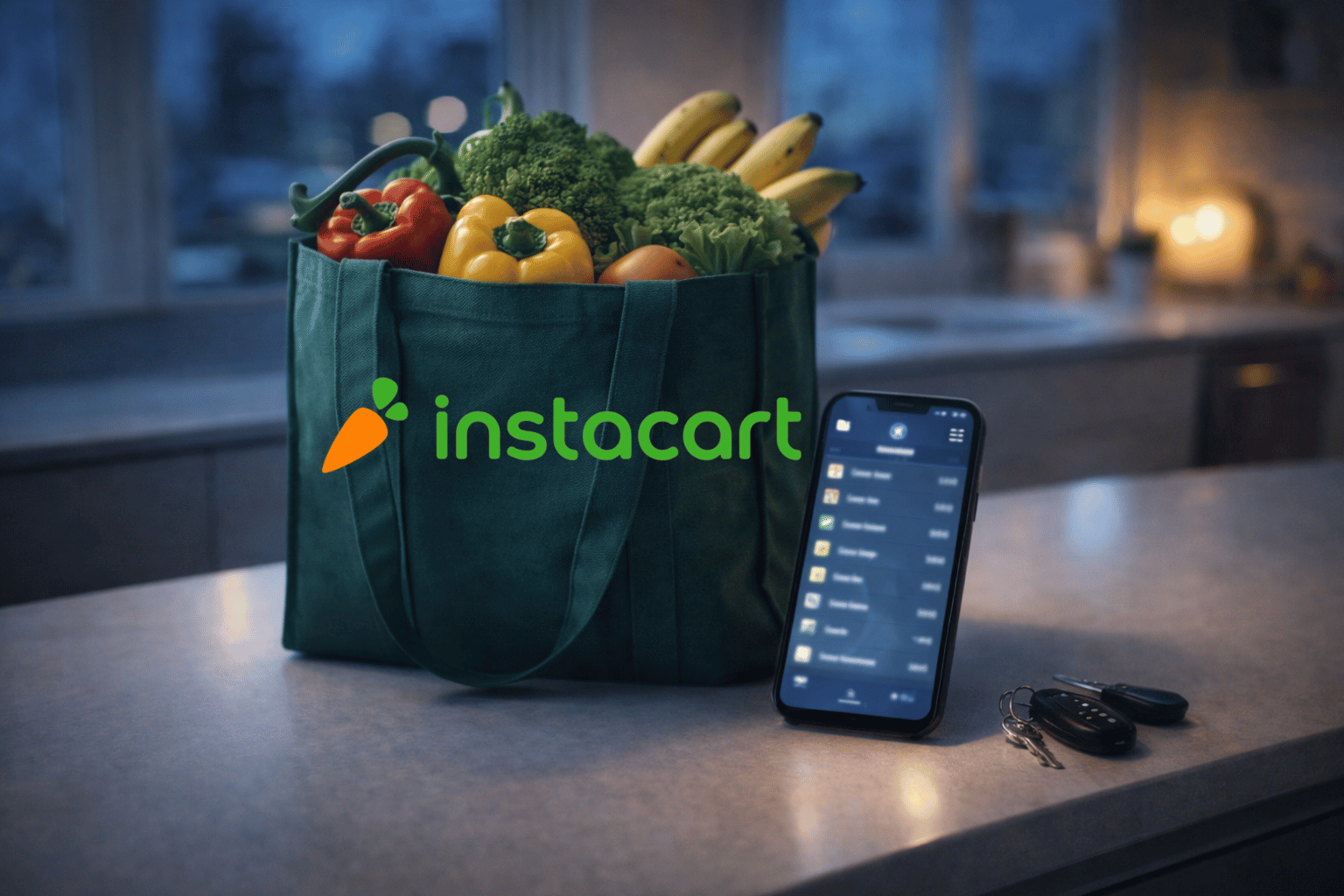
Instacart can beat Uber when your area has strong tips and stores that are easy to shop. Grocery delivery is different from food delivery because order size can be larger and tips can be higher. If you shop fast and choose the right batches, your hourly average can climb quickly.
Instacart also has an advantage that many rideshare drivers overlook. You can control your mileage more. Many Instacart jobs keep you within a smaller radius. If you avoid long distance deliveries, your gas cost can be lower than rideshare.
Best use cases for higher pay
Instacart is best in areas with a good tipping culture and efficient stores. It also fits people who prefer shopping and organizing over constant driving. If you learn a few stores deeply, speed improves fast.
Tips to earn more on Instacart
Stick to stores you know well. Choose batches with clean item lists and a manageable size. Avoid orders that include too many hard to find items. Quick replacement decisions keep you moving and protect your hourly average.
Watch outs
Some batches look good but take too long due to checkout lines, missing items, or long distance. Time is the hidden cost. Do not chase large orders if they slow you down.
3) DoorDash
DoorDash can outperform Uber in markets with dense restaurants, strong tipping habits, and short delivery routes. The best DoorDash zones are areas where pickups are fast and drop offs are close. When orders come in clusters, you can complete more jobs per hour and build a strong hourly average.
DoorDash can also be powerful at night and on weekends. Many cities see late orders from a smaller set of open restaurants. That creates concentrated demand in a few streets. If you position yourself correctly, you reduce downtime and keep deliveries flowing.
DoorDash beats Uber for many drivers because tips can stack. On rideshare, tips are unpredictable and often smaller. On delivery, tips are a bigger part of the income in many areas. That is why DoorDash belongs on any list of gig apps that pay more than Uber in 2026.
Why DoorDash can pay more than Uber in 2026
DoorDash can outperform Uber in dense restaurant areas because you can complete more trips per hour, and tips can stack. Night and weekend demand often concentrates around fewer open restaurants, which can keep offers coming back to back if you stay in the right zone.
Best use cases for higher pay
DoorDash is strongest where restaurants are close together and pickups are fast. It also works well for people who want short trips, flexible hours, and quick turnaround. High demand hours like lunch, dinner, and late night can lift earnings.
Tips to earn more on DoorDash
Work in tight restaurant clusters. Learn which restaurants are fast and which ones cause delays. Avoid long drive offers that pull you away from your hotspot. Short routes usually win over long routes.
Watch outs
Slow restaurants can destroy your hourly pay. Parking issues can also waste time. Pick zones with easy pickup access and steady order flow.
4) Walmart Spark Driver
Walmart Spark Driver can be a strong alternative when your area has high order volume and efficient pickup locations. Many workers like Spark because it can offer decent payouts per trip and can include tips on some order types. Spark can also keep you busy during hours when rideshare is slow, like mid mornings and early afternoons.
Spark often works best for people who like delivery but want fewer restaurant issues. Grocery pickup and delivery can feel more straightforward. You pick up, deliver, and repeat. It can also be easier to plan around because some stores have steady order flow on certain days.
Why Walmart Spark can pay more than Uber in 2025
Spark can beat Uber when store pickup runs smoothly and delivery routes stay tight. Many drivers like Spark because the work feels simple. You pick up, deliver, and repeat. In some markets, the order volume can stay steady during hours when rideshare slows down.
Best use cases for higher pay
Spark is strong in suburbs and mid sized cities where Walmart orders are consistent. It can also be useful for daytime earnings, especially mornings and afternoons. It fits drivers who want fewer restaurant delays and prefer store pickup routines.
Tips to earn more on Walmart Spark
Test different store locations because speed can vary a lot. Focus on orders with good total payout and shorter distance. Avoid offers that cause long wait times at pickup. The best Spark shifts are the ones where you stay moving.
Watch outs
Pickup delays are the biggest problem. If a store is slow, your earnings drop fast. Track which locations are worth your time and avoid the slow ones.
5) TaskRabbit
TaskRabbit is different from delivery and rideshare. It is task based work. That can include furniture assembly, moving help, basic home setup, mounting TVs, and simple handyman style tasks. The reason TaskRabbit can beat Uber is simple. The pay per job can be much higher because the work is specialized and often billed by the hour.
This app is best for people who can do practical tasks well and communicate clearly. You do not need to be a contractor for many basic jobs, but you should stay within what you can do safely and confidently. If you can build a good profile, show reliability, and get strong reviews, TaskRabbit can become one of the best gig apps that pay more than Uber in 2025.
hy TaskRabbit can pay more than Uber in 2026
TaskRabbit can pay more because it is skill based work. Many tasks are priced hourly or per job. Furniture assembly, moving help, mounting, and basic home setup can bring in higher pay per hour than rideshare, especially once you build reviews and raise rates.
Best use cases for higher pay
TaskRabbit is best if you have practical skills and can communicate clearly. It works well in larger cities where demand for home services is steady. It also fits people who want fewer miles on their car and prefer paid time on task over driving time.
Tips to earn more on TaskRabbit
Start with services you can do confidently. Keep your profile clear and your availability consistent. Show up on time and communicate updates. After you collect strong reviews, raise your rates step by step.
Watch outs
Some tasks are physically demanding. Only offer what you can do safely. Time estimates matter, so avoid underpricing jobs that take longer than expected.
How to choose the best option for you
Not everyone should switch fully away from Uber. Sometimes the smartest move is running two apps and choosing the best one for each time block.
If you like driving and your city has strong event demand, Uber may still be your best weekend option. But weekdays might be better with Instacart, Amazon Flex, or Spark. If you want higher pay per job and you have practical skills, TaskRabbit can be your premium option.
The best plan is a simple test.
Pick two apps from the list above. Work the same hours for two weeks. Track total earnings, miles, and time spent waiting. After two weeks, you will know what is actually paying more for you.
A simple weekly schedule that can beat Uber
Here is a basic structure many workers use.
Monday to Thursday
Morning: Instacart or Spark in calm store hours
Lunch to dinner: DoorDash in dense restaurant zones
Evening: Amazon Flex block if available
Friday and Saturday
Evening: DoorDash for short high volume orders
Late night: Uber only if surge and demand are strong, otherwise stay on delivery
Sunday
Morning and afternoon: Instacart or Spark
Evening: Flex block or DoorDash depending on your market
This schedule works because it matches demand patterns. Grocery demand is often steady in the morning. Restaurants peak at lunch and dinner. Weekend nights can spike, but only if your city supports it.
Common mistakes that reduce income
Chasing every app at once
If you switch platforms every day, you never learn the system. Learn one app first. Then add a second.
Ignoring wait time
Wait time is unpaid time. It destroys profit. Choose zones and stores that keep you moving.
Accepting long distance work too often
Long distance orders can look good, but they increase expenses and dead miles. Shorter trips often win.
Not tracking profit
Gross pay can lie. Track miles and time. Profit is what matters.
FAQs
Which gig app pays the most compared to Uber
It depends on your city and your skill. Task apps can pay more per job. Flex and grocery can be more consistent. Delivery can win in high tip markets.
Can I do these apps without a special vehicle
Most people use a standard car. Some delivery apps can also work with a scooter in some markets. Requirements depend on the platform. Delivery can be simpler and tip heavy. Rideshare can pay well in event driven cities. Try both and compare.
How many hours should I test before deciding
Two weeks is enough for patterns. Aim for 20 to 30 hours total per app for a fair comparison. Uber is not the only path to strong gig income. In the right market, Amazon Flex, Instacart, DoorDash, Walmart Spark, and TaskRabbit can all produce better profit. The smart move is testing, tracking, and building a schedule around what actually works in your city.
If your goal is to find gig apps that pay more than Uber in 2026, start with two apps from this list and run a simple two week test. That will give you real data, not guesswork.