

A gig job can provide an excellent chance to make additional money for the students, beginners, and those who want to earn extra money. Gig jobs provide more freedom than regular jobs since it is possible to set working hours and conditions on your own. You can take only those tasks that fit you in terms of time and availability. Gig jobs will help you to combine your work with your study and family duties.
People have various reasons to do gig jobs. They can either look for additional income or try to acquire some skills by practicing. People can also search for online gigs if they want to work remotely. Other people may like face-to-face contact with clients. There are plenty of opportunities available.
But sometimes it is hard for a beginner to figure out what should be done and where one can find a gig job. The person registers in multiple platforms. He takes all the available gigs without any check of the pay and time needed to complete it. It can bring a lot of additional stress and low earnings.
What Is Gig Work?
Gigging is a form of work that entails being a freelancer, a temporary worker, or carrying out work based on tasks. Giggers don’t get hired by an employer to work at one place according to a certain schedule but carry out tasks. The duration of such tasks varies depending on their nature and takes anything from minutes to days or even weeks.
The kind of gig work can be either online or locally. Online gigging involves using a computer or smartphone to undertake the assigned work. Examples of online gigs include freelancing writing, graphics designing, virtual assisting, online teaching, and data entry. Such gigs need someone to have access to the internet.

Is Gig Work Good for Beginners?
Gig work can suit many beginners. Some jobs need very little experience. Others require basic digital skills.
You should still choose carefully. The best gig matches your strengths. It should also fit your schedule.
Do not focus only on earnings. Think about time and expenses. Long trips can reduce your profit. Platform fees can also matter.
What You Need Before Starting
You do not need everything immediately. Start with the basic tools first. Apply for jobs today.
You may need:
A smartphone
Reliable internet access
A laptop for online gigs
A valid payment method
Transportation for local gigs
Basic communication skills
A simple weekly schedule
The exact needs depend on work. Delivery jobs may need transportation. Freelance work may need a laptop.
Choose the Right Gig First
Your first choice matters a lot. Pick something you can manage easily. Avoid choosing five gigs together.
Ask yourself some simple questions. What skills do you already have? How much time can you work? Do you prefer online work?
You should also check your location. Some platforms may not operate locally. Others may have strong demand nearby.
Best Beginner Gig Work Options
Some gigs are easier to start. Others need stronger skills first.
Good beginner options include freelance writing. Online tutoring can also work. Delivery work offers flexible local hours. Data entry may suit careful workers.
Virtual assistance is another option. Social media support can work too. Pet sitting offers local opportunities. Website testing may provide short tasks.
Choose one main gig first. You can add another later.
30 Day Gig Work Success Plan
A 30 day plan creates structure. You do not need instant success. Focus on steady progress instead.
Days 1 to 3: Choose Your Gig
Start by comparing several gig types. Look at your current skills first. Then check your available working hours.
Choose one main gig to start. Keep another option as backup. Avoid joining everything at once.
Your main goal is clarity. You should know what work fits.
Days 4 to 6: Prepare Your Profile
Create a clean professional profile. Use accurate information about your skills. Keep your description simple and clear.
If needed, create work samples. Writers can prepare short articles. Designers can create simple portfolio pieces. Tutors can list strong subjects.
Use a clear profile photo. Follow each platform’s profile rules. Avoid making unrealistic claims.
Days 7 to 10: Learn the Platform
Spend time learning basic platform features. Understand how jobs are offered. Learn how payments work too.
Read important platform rules carefully. Check cancellation and rating policies. Learn how customer support works.
Do not rush into many jobs. Learn the system before scaling.
Days 11 to 14: Complete First Gigs
Start with manageable work first. Choose tasks you can complete well. Avoid complicated jobs at this stage.
Focus on quality and communication. Finish work within promised time. Ask questions when details are unclear.
Your first jobs build experience. They can also build confidence.
Days 15 to 18: Track Your Results
Start tracking every completed gig. Record earnings from each task. Also record related expenses.
Track how long jobs take. Note travel distance when needed. Record any platform fees too.
This shows your real profit. Gross earnings can hide poor results.
Days 19 to 21: Improve Your Schedule
Review your strongest working periods. Some hours may perform better. Certain days may offer more demand. The gig economy in 2026 is thriving.
Move work toward stronger periods. Reduce time during slow hours. Keep your study schedule protected.
A planned schedule improves consistency. It also reduces unnecessary waiting.
Days 22 to 24: Improve Your Skills
Spend time improving useful skills. Better skills can increase opportunities. They may also improve your rates.
Writers can improve research skills. Designers can improve visual quality. Delivery workers can learn better routes.
Focus on one improvement first. Small gains can make work easier.
Days 25 to 27: Remove Weak Jobs
Not every gig deserves your time. Some jobs take too long. Others offer very little profit.
Review your recent work carefully. Compare pay against time spent. Also include your expenses.
Stop repeating weak job types. Focus more on profitable tasks.
Days 28 to 30: Build Your Routine
Create a simple weekly routine. Decide your working days first. Then set your working hours.
Set a realistic income target. Add an expense limit too. Leave enough time for rest.
Review your results each week. Adjust your plan when needed.
How to Build a Better Gig Routine

A good routine reduces many mistakes. Start every day with a plan. Know your working hours first.
Choose your working area too. Set your daily income target. Decide your time limit.
Track your results during work. Record earnings after each job. Record expenses at the same time.
At day’s end, review everything. Check your total earnings first. Then check your total expenses.
Ask yourself three simple questions. How much did I earn? How much did I spend? How long did I work?
These answers improve future planning.
How to Calculate Real Gig Earnings
Do not only check gross earnings. Your real profit matters more. How to Start a Gig Economy Side Hustle? – Entrepreneur.
Start with your total earnings. Then subtract your work expenses. The remaining amount shows better profit.
Common expenses may include fuel. Vehicle maintenance can also matter. Software costs may affect freelancers.
Internet costs can also apply. Some platforms may charge fees. Parking and tolls can matter too.
Tracking these costs improves decisions.
Common Beginner Gig Work Mistakes
Accepting Every Job
Every offer is not profitable. Some jobs require too much time. Others involve long travel distances.
Check each job before accepting. Compare pay with expected effort.
Working Without a Schedule
Random work creates poor consistency. You may waste time waiting. Your studies may also suffer.
Use planned working blocks instead. Keep clear start and stop times.
Ignoring Expenses
Expenses can reduce earnings quickly. This is common with delivery work.
Track every important work cost. Review your net income weekly.
Joining Too Many Platforms
Too many platforms create confusion. Notifications can become distracting quickly.
Start with one main platform. Add others after gaining experience.
Chasing Only Bonuses
Bonuses can look very attractive. However, they can encourage poor choices.
Focus on total profit instead. Do not chase every promotion.
Ignoring Customer Service
Good communication improves your work experience. It can also support stronger ratings.
Reply clearly and professionally. Follow instructions whenever possible.
How to Increase Gig Work Earnings
Better earnings usually take time. Small improvements can create strong results.
Work during stronger demand periods. Choose jobs with better value. Avoid long unpaid travel whenever possible.
Improve your skills each week. Better skills may bring better clients. Good reviews may also improve opportunities.
Track results every week. Focus on what actually works.
Should You Use Multiple Gig Platforms?
Multiple platforms can increase opportunities. They can also create more complexity.
Beginners should start with one. Learn that platform very well. Build a simple routine first.
Add another platform later. Only do this when needed.
Do not accept conflicting jobs. Always manage commitments carefully.
How Much Can Beginners Earn?
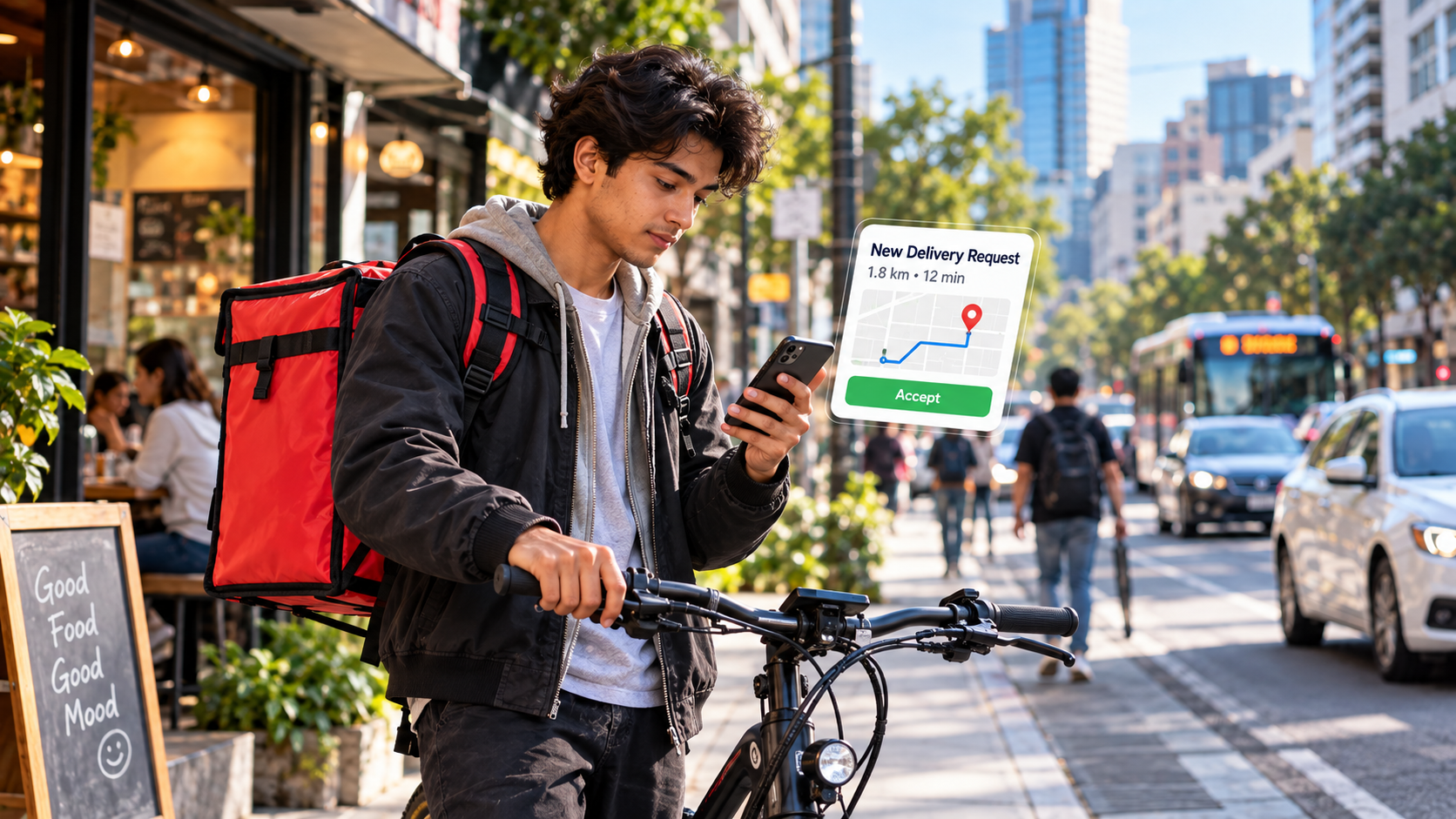
Gig earnings can vary greatly. There is no guaranteed income amount.
Your results depend on location. Work type also makes a difference. Experience can affect your rates.
Working hours matter as well. Expenses can reduce final profit.
Focus on realistic progress first. Avoid income claims that seem unrealistic.
Online Gig Work Versus Local Gigs
| Payment Method | Online payments or bank transfers | Cash, apps, or bank transfers |
| Job Availability | Access to global opportunities | Limited by local demand |
| Popular Jobs | Freelancing, online tutoring, data entry | Babysitting, pet sitting, delivery |
| Main Challenge | High competition for projects | Travel time and physical effort |
| Best For | Students who prefer remote work | Students who enjoy hands-on tasks |
How to Stay Organized
Use one simple tracking system. A spreadsheet can work very well. A notebook can also be enough.
Track your jobs each day. Record income and expenses. Track your working hours too.
Review everything every weekend. Look for patterns in your results. Remove activities that waste time.
Simple tracking improves your decisions.
A sustainable routine works better.
Frequently Asked Questions
What Is the Best Gig for Beginners?
There is no single best option. Choose based on your skills. Your schedule also matters greatly.
Can I Start Gig Work Without Experience?
Yes, some gigs accept beginners. Basic skills can still help. Start with simple tasks first.
Can Students Do Gig Work?
Yes, many students use gig work. Flexible schedules can fit classes. Study time should stay protected.
Do I Need a Car?
Not always. Many online gigs need no car. Some delivery jobs allow bicycles.
Should I Work Every Day?
Not necessarily. A planned schedule works better. Leave time for rest too.
How Soon Can I Earn Money?
This depends on the platform. Some gigs may start quickly. Others require approval first.
Should I Track Every Expense?
Track all important work expenses. This shows your real profit. It also improves future decisions.
Can Gig Work Become Full Time?
Some people use it full time. Results depend on demand and skills. Income can still change often.
Is Gig Work Reliable Income?
Gig income may change weekly. Demand can rise or fall. It should not be treated guaranteed.
What Should I Do After 30 Days?
Review everything you learned. Keep the strongest work methods. Improve weak areas gradually.